Wartstein wrote: ↑Sun Jan 04, 2026 11:25 pm
In my use my SE Spydies cut thick cardboard noticeably better than my PE ones do.
But again and again, this might or most likely WILL be due to the clearly steeper edge angle the former have.
Yep, geometry plays a big role in many materials. Wood, apples, rigid plastic, and of course cardboard.
But then and also again this is what probably a vast majority of knife users experience too, cause SE Spydies just come with that steeper angle right out of the box, and most people do or can not change the PE factory angles really dramatically...so out in the "real world", especially outside of this forum, SE will just have that advantage - and according to what Michael Janich and Sal said once more,still offer enough edge stability, even with such an acute angle also for inexperienced users.
The majority of knife users never sharpen their knives.
The spirit of the thread is for us to make comparisons with our own knives of either edge type, not to base our discussion around average users.
We all agree most people don't thin out PE knives or even know they can sharpen SE knives - I don't think there is any benefit to repeating that.
What I am interested in is seeing people compare their different edge types and how their experience lines up with mine.
Another thing I'm interested in, is has anyone here reprofiled their PE knives to how thin their SE knives are, and found they did not hold up?
We have a number of users here who have reprofiled their knives to very thin angles if you check out the community sharpening journal. Myself, wandering about and u.w. come to mind.
I don't think any of us have experienced issues with our thin plain edged knives.
Sal has also reported running plain edged knives at 20 degrees inclusive and hasn't reported any issues. I believe it's Evil D that has a seriously thin looking Ayoob sprint too, I'd love for him to chime in on how it holds up.
I don't think there's any magic to the durability of serrated edges. I've seen damaged PE and SE cutting tools of all types.
I've seen serrated bread knives so chipped and rolled I could slide them across my skin using a decent amount of force and be in no danger of cutting myself.
There are also numerous chisel ground plain edged knives on the market, and plain edged knives with V grinds ground comparably thin to Spydercos serrated edges. The companies making them have been doing so for decades in most cases. In fact in some cases these designs are 100+ years old.
So plain edged knives can certainly handle thin edges too, and not just in the hands of people like me. Some examples:
- Floral knives are often chisel ground to 15-22 degrees inclusive. I'm pretty sure Victorinox has been producing these since over 50 years ago.
- Victorinox also made/makes the Trekker, One Handed Trekker, Soldier (new version) and Trailfinder. Most of these features CE blades with a chisel grind. I own a OHT and I have never had issues carving woods with the PE part ground to around 18 degree inclusive. I've mever heard of anyone having a problem with theirs.
- Emerson knives, marketed as hard use folders, come chisel ground as far as I know.
- Many Cold Steel knives come chisel ground, such as their push daggers and some of their Tantos, which they've been selling for 40 years. They've also produced the scandi ground Spike line since the 1990's which is ground quite thin with wood carving performance comparable to a Mora.
- Leatherman has used chisel grinds on many of their smaller plain edged knives like the Micra and Squirt.
- Many V ground japanese kitchen knives come with an apex ground at 12-20 degrees inclusive, thinner than Spydercos serrated pocket knives. They also produce a number of chisel ground patterns way more acute than serrated spydies.
- Many Kiwi knife models come with 8-12 dps plain edges.
- Traditional japanese utility knives and modern xacto knives both come with very thin chisel grinds, thinner than Spydercos SE knives.
I could list many more examples, but the point is there are countless production knives that have been sold for decades featuring chisel grinds or V grinds ground as thin or even thinner than Spydercos serrated knives. So it's far from unheard of.
In fact here are three examples from my own collection of knives that ship with geometry that's as thin or thinner than a typical serrated Spyderco:
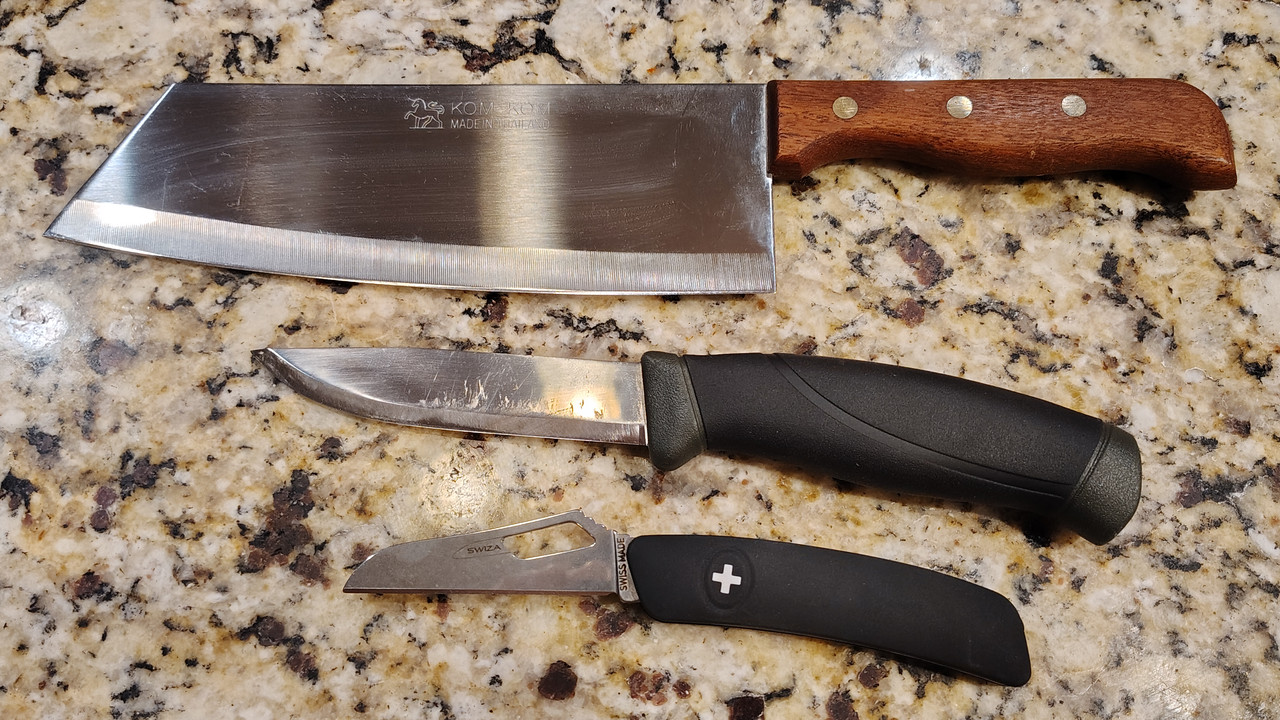
Kom Kom chef knife, Mora Companion, Swiza locking floral knife.
The Kom Kom is 1mm stock with an estimated 9dps factory apex, V grind.
The Mora is their classic scandi grind ground at 11.5 dps according to their website. This one has been sharpened so there is no microbevel. It routinely carves knotty wood and even baton wood for kindling without edge failure.
The Swiza is their liner lock floral knife, ground at an estimated 21 degrees inclusive, chisel ground.
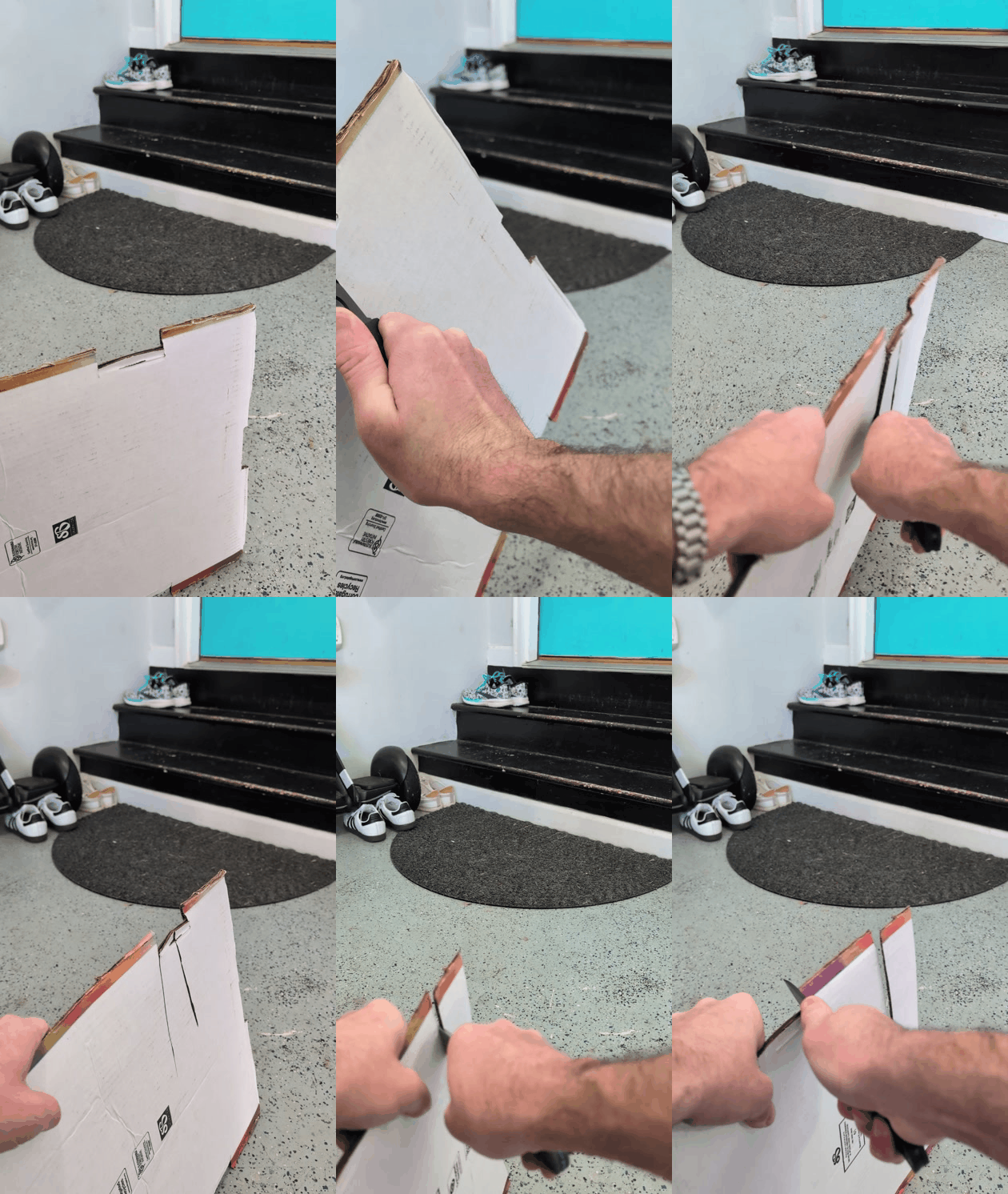
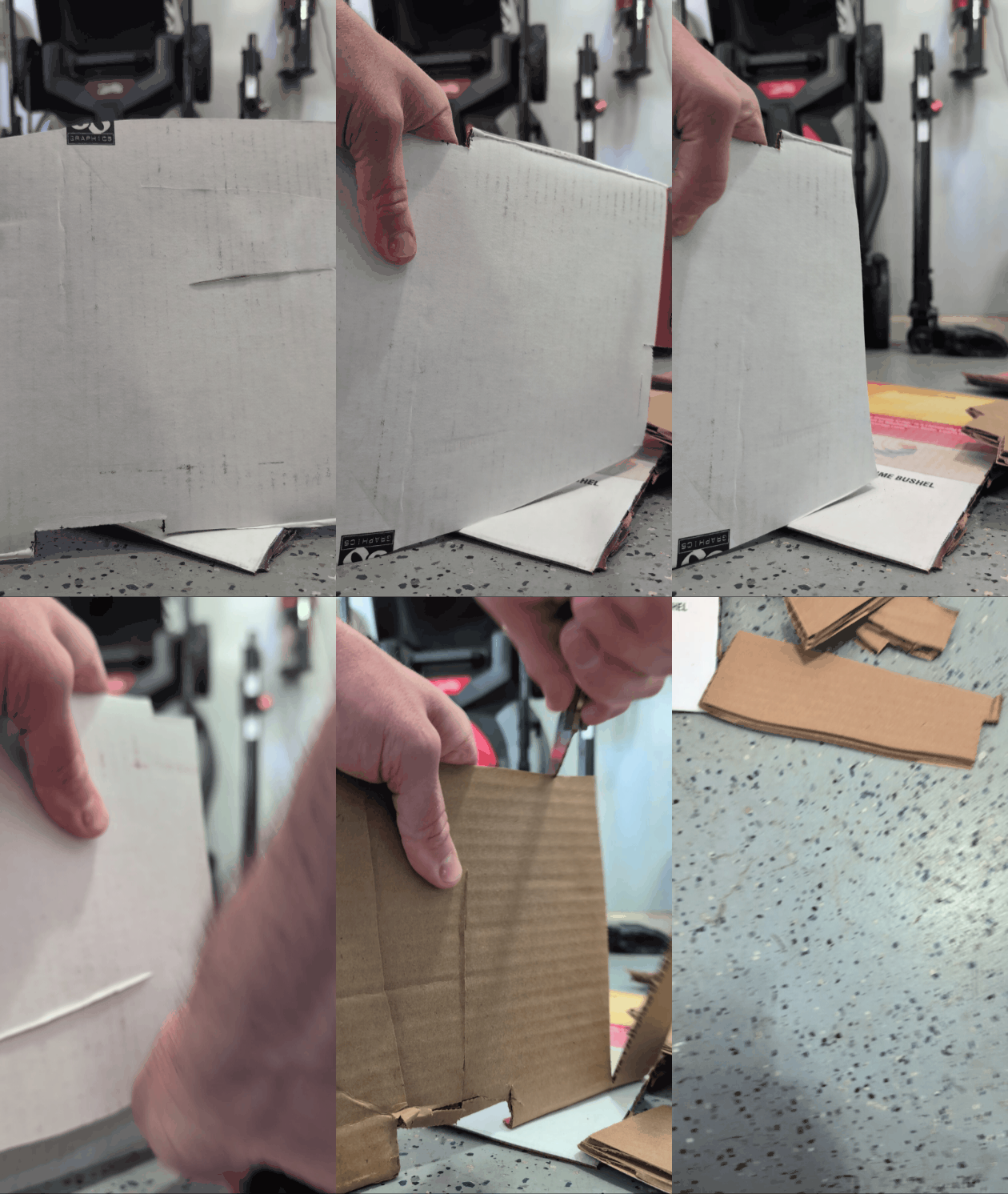
All three work great for on a variety of materials. The Kom Kom has just been used on food but as you'll see it cuts cardboard without issue. The Mora does bushcraft stuff which can be hard use at times. The Swiza I use for general utility like cardboard, rope, and breaking down plastics for recycling.
So there's really no shortage of plain edged knives ground as thin as serrated Spydercos that any consumer can purchase and use. So I see no reason for the discussion to be limited to how Spyderco specifically sets their edge angles between the two edge types. Especially on a forum full of people (mostly) with the knowledge and ability to modify their plain edge knives to whatever angle they please.
In fact there are few things I would recommend more to someone new to our hobby than learning how to modify geometry and grit finish on their knives to optimize their cutting ability. I can take a thick edged survival knife like an SRK ground at 23dps and make it outcut my Moras carving wood just by tweaking the edge angle, which I've done. Or removing the highly buffed factory edge and applying a coarse finish - that has so many benefits for a utility knife on many materials. It's no exaggeration to claim that on something like rope cutting the end user can see 4-8x greater edge retention compared to the factory edge by putting a 300 grit edge on their knife.
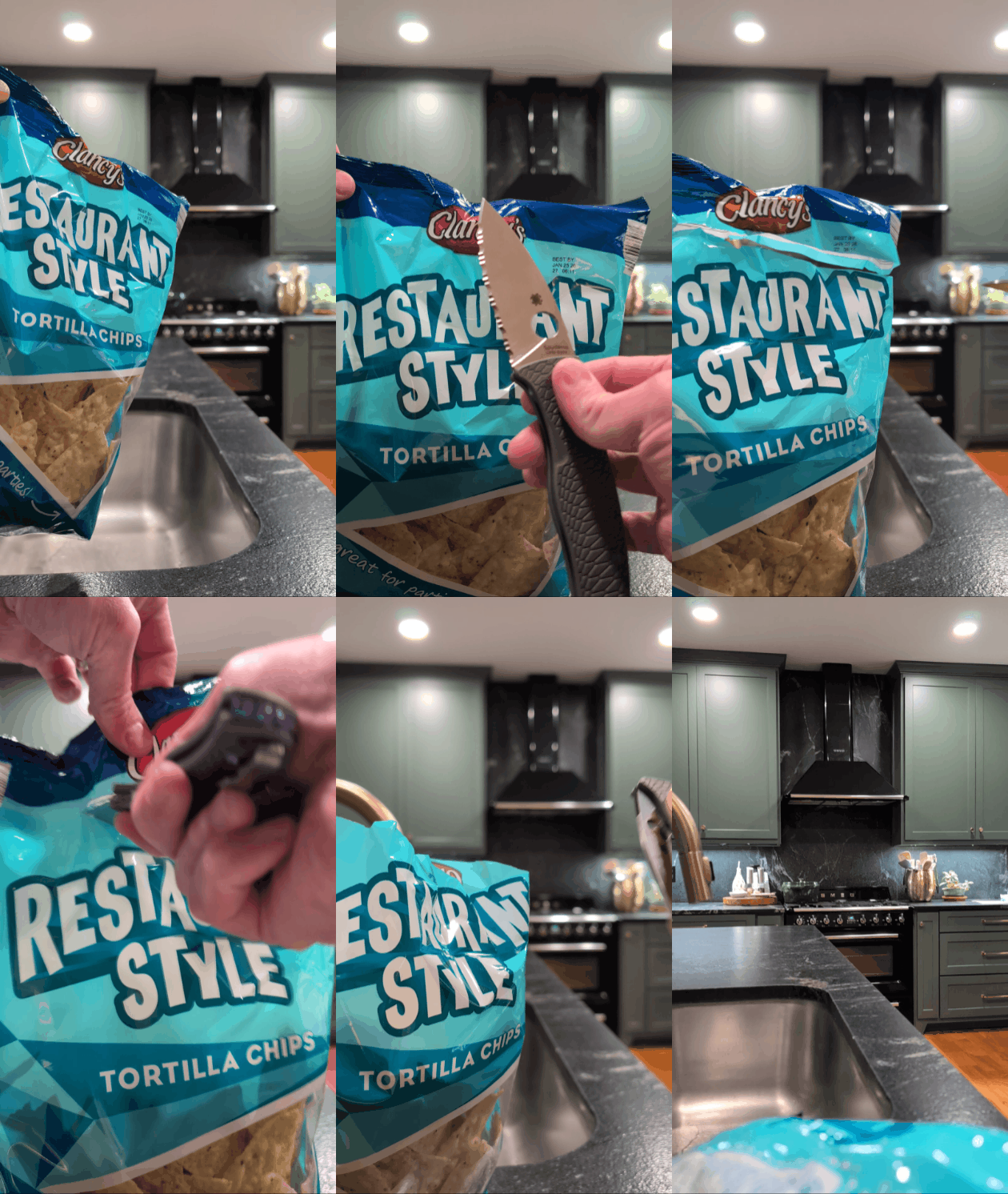


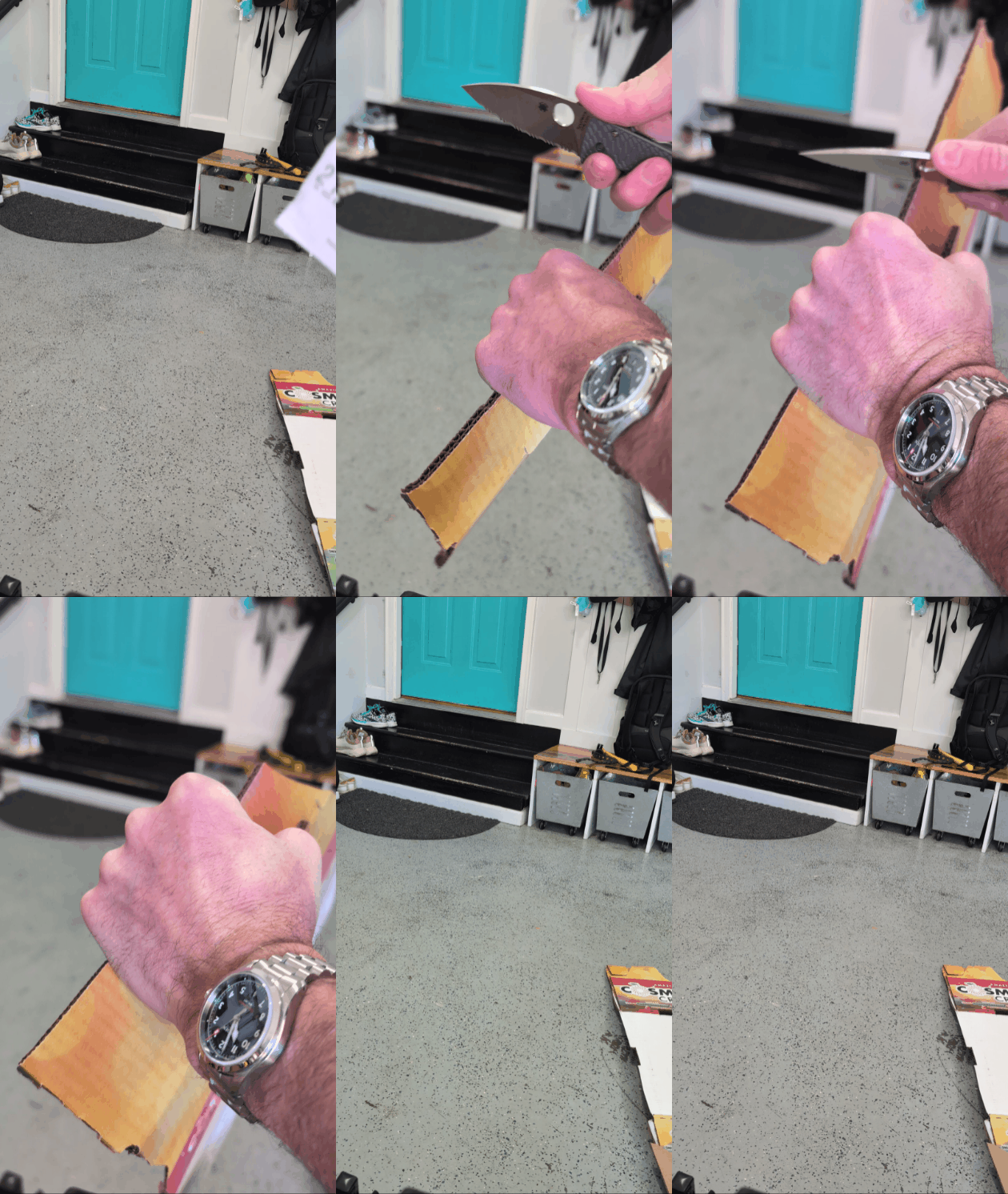
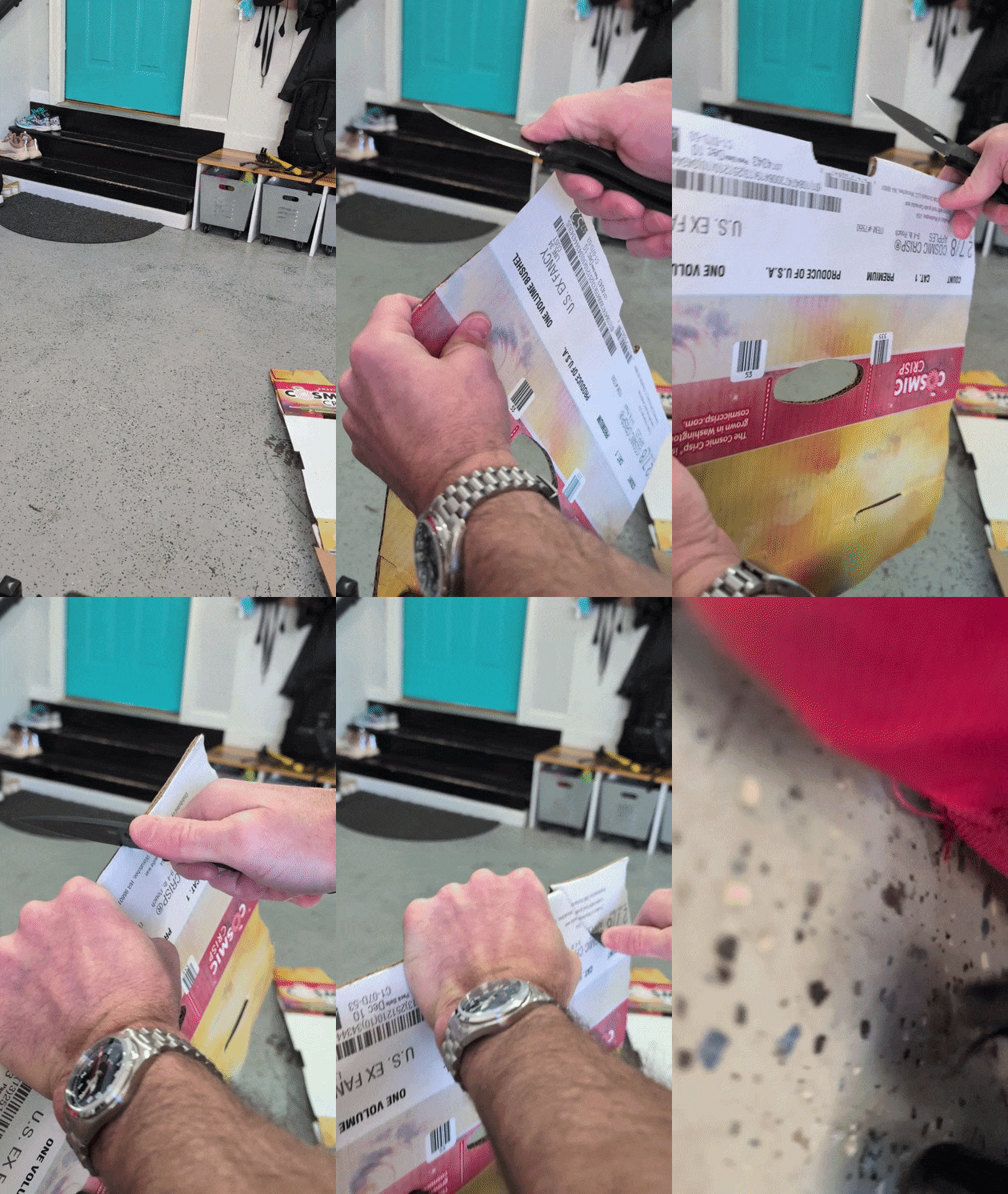


 I appreciate that. I'll keep trying.